
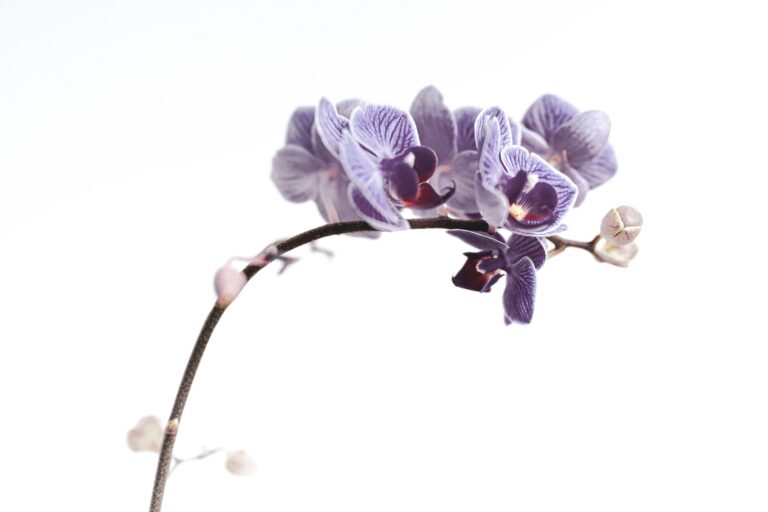
The other day I reread “How It Feels to Be Coloured Me” by Zora Neale Hurston. It was my first time in a while. It brought me back to the sweltering summer of 2023, when May had felt balmy, and June had itched like dirt caked on skin. On the hottest day in July, I decided to go for a walk around Central Park. Sweat collected at the base of my spine as the sun slowly scorched my retinas. I paused my walk to stare at a bed of flowers. It was a spontaneous decision, and I can’t remember exactly where I was. What I do remember is leaning in close to the flowers to snap a few photos, but not too close to suffocate myself in pollen. At that moment, a woman emerged from behind a tree—scaring me out of my skin—and demanded that I stop stealing the flowers.
“I feel most colored when I am thrown against a sharp white background,” writes Hurston in her evergreen essay. And yet, I felt the most colored amidst a sea of purplish-pink roses. I felt my blackness most strongly on one of the warmest days in my memory, right when the sun had reached its highest point in the sky, and I felt the most exposed under the unbearable gaze of a nameless tree-woman.
Of course, I couldn’t show my fear—she could never know that her words had successfully gotten under my skin and pinched my nerves. Instead, I shifted my phone camera away from the roses, towards her. She screamed and ran to hide behind the tree again, like a frightened mouse.
Hurston’s essay features a flashback to a cabaret basement during a fervent jazz orchestral performance. She feels the music inside her body and is genuinely affected, but notices that her White companion is indifferent. The memory is as familiar to me as if I were in the room when it happened. Except the room was a public park spanning 51 streets in length and three avenues in width. Moments after my encounter with the tree-woman, I texted two group chats, one with friends of colour and one without. The difference in reaction to the tree-woman was telling; it made me itch even more than the sweat pooling at the small of my back. My friends of colour sent a series of expletives and encouraged me to find her and take a clear photo of her face. My non-Black friends were very, very sorry and did not know that this was still happening in the 21st century. Then their conversation moved to what everyone was having for lunch.
Hurston’s record of what happened in the cabaret basement is guttural. The sensations are vivid—animalistic, loud, and messy. It’s satisfying. Then, she tells us what her White companion experienced: “He has only heard what I felt. He is far away and I see him but dimly across the ocean and the continent that have fallen between us. He is so pale with his whiteness then and I am so colored.”
I managed to feel even more colored from my White friends’ reactions to the tree-woman than from the tree-woman herself. I couldn’t fault them for their responses, though, because I knew that they weren’t touched by the occurrence in the same way. In as simple a manner as that, because of a difference in perspective, I felt so very colored.
I adore Hurston’s writing. At least once a year, I reread Their Eyes Were Watching God to feel the same sensations I felt when I first read it. Her characters are amazing, but what makes me love the book so much is her focus and her voice. Both are what make “How It Feels to Be Colored Me” so enrapturing, too. Her words are poetic, without the frills, and so concrete that while reading, I slowly feel myself becoming her. I am brought back to each moment in my life when I was Hurston, thrown against that white—or flowery—background, feeling equally as awkward, exposed, and alone.