
The rusty, heavy door screeches out the tyrannical, mountain sun.
A light with no cadence. A light which engulfs the parched patches of terrain, and smothers the deep greenness of bushes. A light so imposing, its dwindling illuminates the guilt melting from your rigid foreheads, bringing it to shame. Only a confining slam vacuums all out.
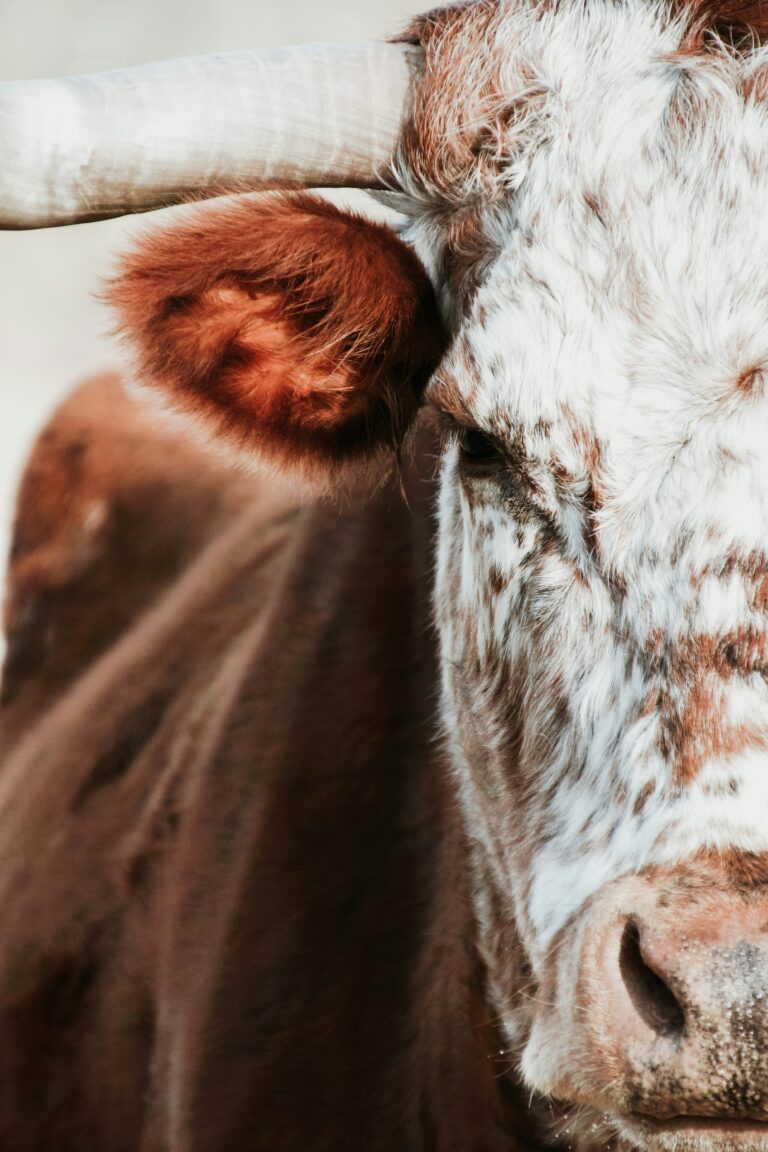
For a few mere, initial moments, it is more black than it is dark. Thin streaks of blonde wires tightly coil into cylindrical blocks, stacked atop the other in thick columns. Smelling of hay, each collapsing slightly under the crushing weight of those piled above it. Those sitting poshly at the top remain perfectly symmetrical, with ample room to breathe. The air inside the truck is thick, not with silence, but something heavier—an unwashed humidity that clings to the skin, pricking the pores. Your groaning neck is tickling, mischievously teasing you. Your limbs comply. Any shift in position might set off the cattle, whose dull, huffing bodies press against you. You have never owned a watch; the tranquil gathering of cattle in their mindless steps sung of the day’s regeneration. These cattle stand close but are not together. These cattle are still. Erect. A forgetful blink of the eyes renders complete darkness. Those initial moments live calmly, behind.
The truck’s metal floor is trembling—jostling in a way that suggests forward movement, though too gentle. Gentleness is foreign. The gentleness of swaying branches, or the gentle sweetness of ripe Balkan figs could not present themselves under the oppressive light you have always known. A light which promises to illuminate all villagers alike. A light to which you are exposed, and always have been exposed to. The kind of light which gropes your iris. The kind of light which has burned those around you. The kind of light which still lurks when it is dark. A regime of sorts. You always pondered how a different light would brighten. You have come to realize your only choice is to—
—“nameless” a burling, low voice utters, somewhere to your right. “We are men without names” A voice which would otherwise boom and command, but has been filtered to obedience through the scurry of a pressing voyage. “Nameless?” you whimper out into the dark, a leaf you hope sways into its puddle. A shaky prayer murmurs out beyond discarded heaps of hay, crawling along the floor like mist, and temporarily occupying scarce crevices. A different voice. A soft, pleading voice. The other man’s voice. “Oh my mother, forgive me for my absence. We will thrive. Oh Mother, they took my brother from me. I will bring back more olive oil and raki than they will ever give us. Our hearts will no longer sink. We will be fat, my dear mother.”
The truck roars and then violently exhales. A powerful, indifferent thrust clamps your stomach and throws it to your spine. The trembling turns to aggressive rocking and jumping, and your neck whips your head back into the metal wall. A confused and aimless hoof pounds into the naked bones of your toes and feet. You are surrounded by living bodies—driven by them, in fact, yet silence is your only true companion. You quickly learn that gouging your teeth into your bottom lip helps. ‘That’s funny,’ you wonder while squeezing out bullets of tears, ‘more pain to silence pain’.
As the other man’s quieting cries to his mother echo louder, that which chokes you grows and whirls. Your head jerks, indecisive as to which direction to gaze. The circular faces of haystacks emit blaring light. Your jaw stiffens as a scene of your late father plays from the middle of a haystack. His jagged joints slumbering down the mountain, in the deepest of darkest morning, reminiscent of a sleepless time you watched him journey to his day-job at the railroad. Your focus becomes seized by another. Your peripheral caught a glimpse—now your full attention—of your sister, dull and motionless, atop a plank of wood that is donned in loosely screwed nails. You begin to hear the familiar cries of your mother to ‘remain quiet,’ that your neighbours ‘could be one of them,’ as the body of your late sister is tended to by helpless, unhelped hands. Your eyelids begin running, their flickering accompanied by that same jerking of your head. Your mother’s voice scratches, then warps into a heightening sound of slapping. You rest your focus on a haystack directly in front of you. A row of soldiers tower at the top of the hill. Faces you have never seen before, yet strangely look familiar. The slapping sound grows, becoming sharper and heavier, revealing itself as slices from an axe. There are no echoes, just raw severs and squirts, as you watch numbingly through the haystack.
Stomach curds splash through the gunshot sounds of tires thumping through crumbling roads. In times like these, the inside of a mouth reminds of a farm. Bits from creatures and vegetables lie buried in unpicked pockets of teeth, waiting patiently for a savvy tongue to weasel in and through to scoop it out. Of course, the presence of cattle and hay helps curate this feeling. You let a lone chuckle slip out from under your breath.
The rampant thundering of machinery and blind odyssey unmask a silence that could not get any quieter. The other man—or the pleading man—has long halted his cries. You can feel him cowered, clasping his sweaty hands with his head buried deep between his knees. The calm invites your nosiness. ‘Who are these men? What led them here? We were rounded up beneath the bridge before being stuffed into this truck. How come none of us could look at one another? How do they know the driver? Come to think of it, how long were we there, waiting for the truck’s arrival? Perhaps they are like you and do not know the driver. Perhaps no one knows him, only where to wait. Perhaps they too, think about the light. Perhaps they too, see memories through the haystacks.’ Despite having seen these two men, their faces and bodies have dulled in your mind.
“Men without names. That is what we are.” That’s the low voice again, slightly louder than before, as if addressing your thoughts. His broadness radiates through all the nothingness. “Use this time, however little or much of it, to think about who you will become. Who you have to become. You were someone else before that door closed. You had to be someone else. Once this door opens, and the light of a new world flows in, you are someone—someTHING different. And that something will wear you until a door like this one closes again, and you think long and hard again about what you have to be.”
Moments pass. That heaviness pressing on your shoulders, wrapped around your neck has unfurled, and flown off. Suddenly, familiarity sets in. You feel naked. Warmth runs down your spine and through to all your joints, loosening them in the process. Exhales become longer. You notice you have not seen images within the haystacks in a while. You dart between haystacks to no avail. Your stare narrows in on one, and you focus on the middle. It remains dark and of hay. The comfort of now is finally acquainting with acceptance.
The truck no longer thuds or grinds against the ground. It has not for some time. Your tailbone has been floating.
The truck, with a final, triumphant heave, comes to a full pause, shoving you back to an upright posture—as though to brace you for what lies ahead. In what feels like the first time, stillness becomes stiffness.
The cattles’ breathing fills the air with pungent heat, sticking in your throat as you inhale. Footsteps. Louder. Nearing. A hand on the latch. A pause.
The rusty, heavy door screeches in an opaque, blinding sun.